

Fissure Anal Surgery
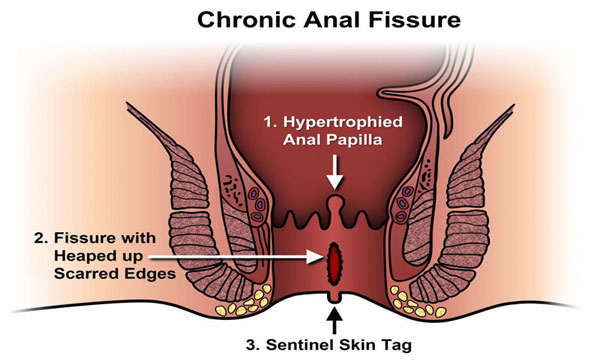
Anal fissure is a very painful condition that spreads in the lining of the anal canal, by incision or rupture of the surface cells of the anal.
Fissures can cause pain during bowel movement and blood in the stool. The anal fissure is often less than one centimeter, but the nerves in this part are very sensitive parts of the body. As a result, the pain in this area can be very severe. In this article, we cover the symptoms of anal fissure, diagnosis and treatment of anal fissures, and we explain the way that can be prevented from being prevented.
What is Fissure or Anal Fissure?
Anal fissure is a very painful condition resulting from a superficial wound or tear in the anal cell covering area. The anal fissure forms as a longitudinal line in the lower half of the anal canal below the toothline. This area has many sensors, so it creates a painful situation for the patient during bowel movements and stool. The anal fissure is a small incision in the thin and mucosal tissue of the anal area, which may occur due to hard or large stools during bowel movement. Symptoms of anal fissure include pain and bleeding with bowel movement. Symptoms of anal fissure
Anal fissures are very common in infants and adolescents, but it can occur at any age. Most anal gaps are better with simple treatments such as increasing fiber intake and bathing in lukewarm water. Some people with anal fissures may need medication or sometimes surgery to relieve the symptoms of anal fissure.
In most cases, the symptoms of anal fissures improve on their own within four to six weeks. Chronic fissures last for more than eight weeks. If the anal fissure does not improve with medication treatments, it may require surgery. Your doctor may look for other underlying disorders that can cause anal fissure.
Symptoms of anal fissures:
The presence of blood in the stool is a common sign of anal fissure.
Other signs and symptoms of anal fissure include:
Pain, especially when passing stools. During the passage of the stool, the pain is severe and then there may be a deeper burning sensation. Fear of pain may prevent some patients from going to the toilet and increase the risk of constipation. If the duration of stool is increased, it can worsen the pain, as the stool will become harder and larger. Some people may have severe pain when they clean themselves with toilet paper. Symptoms of anal fissure
Itching in the anal area is one of the symptoms of an fissm in the person, the feeling of itching may be intermittent or stable.
Urine burning is an discomfort when urination, including the symptoms of anal fissures, which is very rare. Some patients may often feel a burning sensation when urinating.
When should I see a doctor?
If you have pain while moving in the intestine or notice blood in the stool or toilet paper after a bowel movement, it is a sign of anal fissure, see a doctor as soon as possible. You should see a gastroenterologist. You can get help from the list in the doctor’s appointment system and choose your specialist doctor in the country. From here, access the list of gastroenterologists.
Causes of anal fissure
Anal Fisher or anal fissure can occur for several reasons, including:
Constipation: Large stools and constipation cause more lesions in the anus during bowel movement than softer and smaller stools.
Diarrhea: Frequent diarrhea can cause anal fissure.
Muscle spasms: Experts believe that anal sphincter muscle spasms may increase the risk of anal fissures. Spasm is a short, muscular, and automatic movement. In spasms, the muscle suddenly tightens. Muscle spasms may also weaken the healing process.
Anal sex: In rare cases, it can cause anal fissure.
Pregnancy and childbirth: Pregnant women are at risk of developing anal fissures. The anal mucus can also rupture during childbirth.
Sexually transmitted diseases: They are associated with a high percentage of anal fissures. Examples of these diseases are syphilis, HIV, HPV (human papillomavirus), herpes and chlamydia.
Certain conditions: Certain underlying conditions, such as Crohn’s disease, ulcerative colitis, and other inflammatory bowel diseases, may cause scarring in the anal area.
How is anal fissure diagnosed?
The doctor can usually diagnose anal fissure by examining the surrounding area of the anus. However, it may want to do a rectaury examination to confirm the diagnosis. During this exam, the doctor may insert a tube into the right intestine to see the extent of the fischer’s anal. This medical instrument is a thin tube that allows doctors to check the anal canal. With an ensope, your doctor may also find other causes of anal pain, such as hemorrhoids. In some cases, rectal pain may require an endoscopy to better assess symptoms.
Treatment of Anal Fisher or Fissure
Ointment is a common treatment for anal fissure. In most cases, the anal fissure will spontaneously improve within a few weeks. Your doctor may prescribe some medications to relieve the symptoms of anal fissures, such as pain, burning, or discomfort. If the patient suffers from constipation, the male may be prescribed. A person will also be encouraged to increase the amount of dietary fiber intake, which helps to excrete stool. If the absorption rate of fiber is fast and too high, there is a risk of stomach cramps, wind, bloating, and diarrhea. The increase must be done gradually. Anal sex – In rare cases, it can cause anal fissure.
To reduce the symptoms of anal fissure, including pain, the doctor may recommend local anesthesia. Topical means that it is applied directly to the skin. For a long-term burning sensation after going to the toilet, painkillers may be responsive. A lukewarm (not too hot) bath helps relax the muscles and reduce pain. In some cases, the doctor uses calcium channel blocking medications (designed to lower high blood pressure) to reduce the symptoms of anal fissure. These drugs calm the sphincter muscle and also increase the amount of blood in the affected area, which promotes healing. The use of anti-inflammatory creams is another method of treating anal fissures that is used to reduce the symptoms of anal fissures, including itching and pain.
If the anal fissure is chronic (long-term) and is not treated, surgery may be an option. Part of the anal sphincter muscle is surgically removed, leading to less spasms. This method is known as internal sphinctotomy. Fisherectomy is the surgeon’s surgical removal. This method is rare and may be used in children.
Symptoms of fissures:
Side Effects
The complications of anal fissure can include:
No recovery: Anal fissure that does not improve within eight weeks is chronic and may require further treatment.
Relapse: When you have experienced anal fissure, you are prone to another disease.
More anal rupture: Anal fissure may spread to the surrounding muscles (muscular circle), which is called anal interspion sphincter. An unpleasant gap can create a cycle of discomfort that may be necessary to reduce pain or remove the fissure of medication or surgery.
Prevent anal fissures
You may be prevented by taking preventive measures to prevent constipation or diarrhea from anal fissure. Eating foods with high fiber, fluids, drinks, and regular exercise to avoid pressure during bowel movement can be effective.