
rhinoplasty12.jpg

Septorhinoplasty, combines the rhinoplasty and septoplasty procedures in order to simultaneously address both breathing issues and aesthetic concerns. Candidates for septorhinoplasty surgery are looking to improve the breathing through their nose at the same time they are addressing their aesthetic concerns and improving their overall facial appearance.

Shared Aspects: Overlapping Goals

Rhinoplasty vs Septorhinoplasy: The goals of these two procedures are often times the same, with the only difference being that the septorhinoplasty combines surgery to correct internal structures such as a deviated septum and rhinoplasty, while rhinoplasty focuses purely on external changes to the nose.

Goals of Septorhinoplasty patients:

  • To correct the internal structure of the nose
  • Improve the ability to breathe through the nose
  • Improve sleep quality
  • Improve sense of taste and smell
  • To soften the tip of the nose
  • To reduce the length and/or height of the nose
  • To decrease the size of the nostrils
  • To narrow the width of the nose
  • To decrease the dorsal hump on the nose
  • To decrease the projection of the nose
  • To change the angle between the nose and upper lip
  • To make the nose appear more aesthetic and improve the overall facial appearance
  • To feel more confident

septum1.jpg

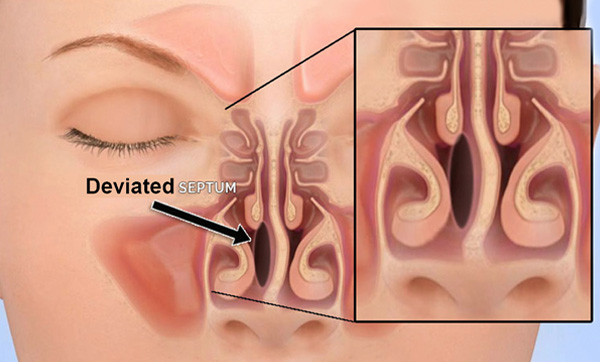
What is septoplasty?

Septoplasty is surgery inside your nose to straighten a deviated septum. Your septum, about 7 centimeters long (2.5 to 3 inches) in adults, consists of cartilage and bone. It separates the inside of your nose into two chambers, or nostrils.

If your septum is deviated (crooked or bent), it can block one or both nostrils and interfere with airflow. A crooked septum can happen because of an injury, or you can be born with it. When this happens, you may need a septoplasty. Healthcare providers may also recommend septoplasty to:

  • Remove nasal polyps
  • Treat chronic sinusitis or obstructive sleep apnea
  • Stop recurrent nosebleeds (less common)
  • Address other conditions that block your nasal airway

Septoplasty is one of the most common procedures performed by otolaryngologists (ear, nose and throat doctors, or ENTs). It’s a minor, outpatient surgery. This means you’ll likely get to go home the day of your procedure.

Treatment Details

How should I prepare for septoplasty?

Before surgery, your healthcare provider will review your medical history. This includes asking about any medications or supplements you’re taking.

They’ll let you know what medicines to stop taking before surgery. Some, like aspirin, ibuprofen and naproxen, may increase your bleeding risk. They’ll also let you know when to stop eating or drinking before surgery.

What happens during septoplasty?

Typically, a healthcare provider called an anesthesiologist will place you under general anesthesia. This means you’ll be asleep during surgery. Local anesthesia, which numbs your nose, may be an option.

Your surgeon will create an incision (cut) on one side of your nose. They’ll lift the thin membrane (mucosa) that covers and protects your septum. Then, they’ll reshape your septum’s bone and cartilage.

Sometimes, surgeons perform another procedure called a turbinate reduction alongside septoplasty. If this is the case, they’ll remove parts of the bone and cartilage that are slowing airflow through your nasal passages.

Afterward, they’ll reposition the mucosa over your septum. They’ll insert splints or soft packing inside your nose. This material holds nasal tissue in place, prevents nosebleeds and reduces the risk of scar tissue. Or your surgeon may sew tissue back together using dissolving stitches. They’ll disappear on their own in time.


loze1.jpg

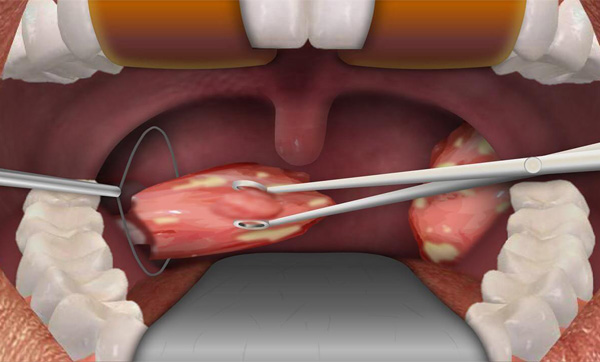
Tonsillectomy is the surgical removal of your tonsils. It’s done to treat sleep-related breathing issues or frequent infections. While surgeons perform tonsillectomies less often than they used to, the procedure is still common today. Tonsillectomy recovery takes up to two weeks.

Tonsillectomy (tahn-suh-LEK-tuh-me) is surgery to remove your tonsils. Tonsils are round, fleshy masses in the back of your throat. Unless you’ve had them removed, you have two — one on each side. They’re a part of your immune system.

Sometimes, they can become inflamed and cause painful sore throats. They can swell and block part of your airway. This may make it harder to breathe during sleep.

While adults sometimes need tonsillectomies, it’s more common in children. Your tonsils get bigger during childhood and can shrink as you get older. That’s why children are more likely to need a tonsillectomy.

How do you know if you need a tonsillectomy?

Healthcare providers recommend this surgery for two main reasons:

  • To treat breathing-related sleep disorders, like sleep apnea
  • To reduce the risk of infection in people with frequent or chronic tonsillitis

Up until the 1980s, providers frequently performed tonsillectomies for tonsillitis. Nowadays, providers do them more often to treat sleep apnea.


Contact Information

Mission and Mission of Farabi

As the largest center for providing ophthalmology services in the center of Guilan province, Farabi Rasht Limited Surgery Center has always put the task of providing effective and efficient medical services for patients and respectable clients, in order to provide and promote the health of the people and according to the laws and regulations of health and medical education

Farabi Clinic on Google Map

All Rights Reserevd to Rasht Farabi Clinic ©2022