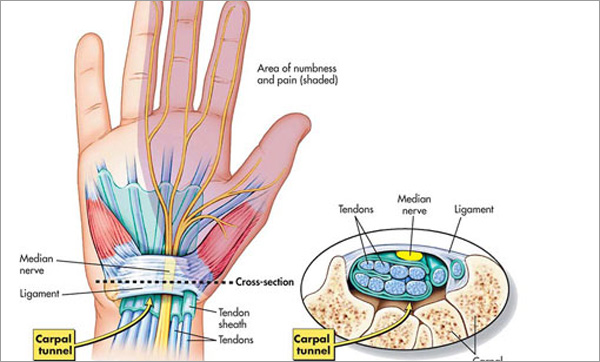
Carpal-Tunnel-Anatomy1.jpg

Surgery Overview

Carpal tunnel release surgery is a procedure performed to relieve pressure on the median nerve in the wrist, which causes symptoms of carpal tunnel syndrome such as numbness, tingling, and hand weakness. The surgeon cuts the transverse carpal ligament to reduce compression on the nerve. The surgery can be done using an open or endoscopic (minimally invasive) technique.

2. Type of Anesthesia

This surgery is usually performed under local anesthesia with sedation. In some cases, regional anesthesia (such as a nerve block) may be used.

3. Possible Risks and Complications

Infection

Bleeding

Nerve injury or persistent numbness

Scar sensitivity or pain at the incision site

Incomplete symptom relief

Stiffness or weakness in the hand

Reaction to anesthesia

4. Hospital Stay Duration

CTS surgery is typically an outpatient procedure. Patients are discharged the same day and can go home shortly after the surgery.

5. Important Post-Operative Care

Keeping the hand elevated to reduce swelling

Avoiding heavy lifting or repetitive hand motions for several weeks

Gentle finger exercises to maintain mobility

Keeping the incision site clean and dry

Attending follow-up visits for wound inspection and suture removal

Gradual return to normal hand activities as guided by the surgeon.


clubfoot1.jpg

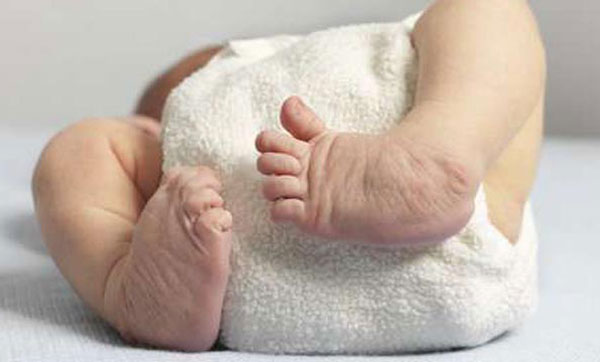
Many times, a healthcare professional diagnoses clubfoot soon after birth just from looking at the shape and position of the newborn’s foot. Sometimes X-rays are taken to fully understand how severe the clubfoot is. But usually X-rays are not needed.

Often clubfoot can be seen before birth during a routine ultrasound exam in week 20 of pregnancy. While the condition can’t be treated before birth, knowing about the condition may give you time to learn more about clubfoot. You’ll have time to talk with health experts, such as a pediatric orthopedic surgeon, to plan treatment. If needed, a medical genetics counselor can talk with you about genetic test results and your risk of having a baby with clubfoot in future pregnancies.


Hydrocele1.jpg

What is a hydrocele?

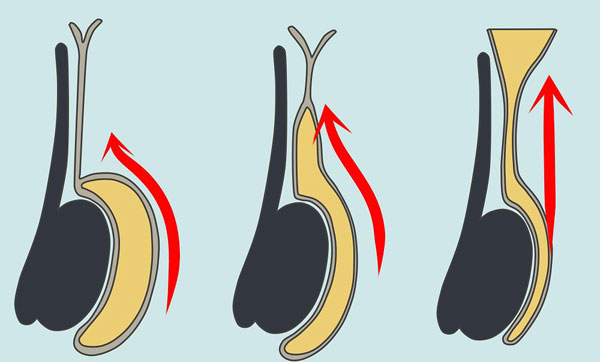
A hydrocele (HI-dra-seel) is a fluid-filled sac in your scrotum that causes swelling. Your scrotum is the pouch of skin behind your penis that holds your testes (testicles). A hydrocele may affect one side of your scrotum or both sides. Another name for hydroceles around both of your testicles is a bilateral hydrocele.

Hydroceles can affect any males but they’re more common in infants.

They can also occur spontaneously in adulthood.

How serious is a hydrocele?

Hydroceles can be alarming because they cause swelling in a sensitive part of your body and can happen suddenly. In some instances, hydroceles can be bothersome depending on their size. A large hydrocele may cause discomfort while sitting or walking. However, in many people, a hydrocele isn’t serious, bothersome or painful.

What are the types of hydroceles?

There are two types of hydroceles: communicating hydroceles and noncommunicating hydroceles.


var1.jpg

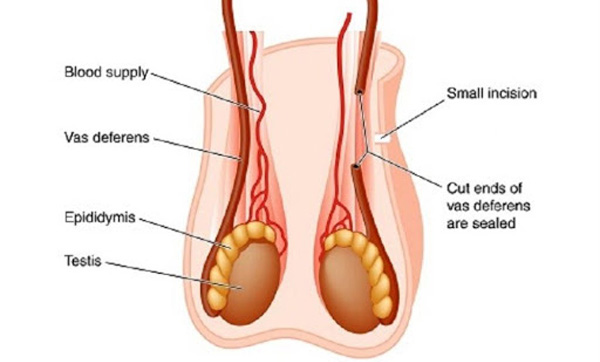
A varicocele (VAR-ih-koe-seel) is an enlargement of the veins within the loose bag of skin that holds the testicles (scrotum). These veins transport oxygen-depleted blood from the testicles. A varicocele occurs when blood pools in the veins rather than circulating efficiently out of the scrotum.

Varicoceles usually form during puberty and develop over time. They may cause some discomfort or pain, but they often result in no symptoms or complications.

A varicocele may cause poor development of a testicle, low sperm production or other problems that may lead to infertility. Surgery to treat varicocele may be recommended to address these complications.

A varicocele usually occurs on the left side of the scrotum and often produces no signs or symptoms. Possible signs and symptoms may include:

  • Pain. A dull, aching pain or discomfort is more likely when standing or late in the day. Lying down often relieves pain.
  • A mass in the scrotum. If a varicocele is large enough, a mass like a “bag of worms” may be visible above the testicle. A smaller varicocele may be too small to see but noticeable by touch.
  • Differently sized testicles. The affected testicle may be noticeably smaller than the other testicle.
  • Infertility. A varicocele may lead to difficulty fathering a child, but not all varicoceles cause infertility.

When to see a doctor

Annual wellness visits for boys are important for monitoring the development and health of testicles. It’s important to schedule and keep these appointments.


rhinoplasty12.jpg

Septorhinoplasty, combines the rhinoplasty and septoplasty procedures in order to simultaneously address both breathing issues and aesthetic concerns. Candidates for septorhinoplasty surgery are looking to improve the breathing through their nose at the same time they are addressing their aesthetic concerns and improving their overall facial appearance.

Shared Aspects: Overlapping Goals

Rhinoplasty vs Septorhinoplasy: The goals of these two procedures are often times the same, with the only difference being that the septorhinoplasty combines surgery to correct internal structures such as a deviated septum and rhinoplasty, while rhinoplasty focuses purely on external changes to the nose.

Goals of Septorhinoplasty patients:

  • To correct the internal structure of the nose
  • Improve the ability to breathe through the nose
  • Improve sleep quality
  • Improve sense of taste and smell
  • To soften the tip of the nose
  • To reduce the length and/or height of the nose
  • To decrease the size of the nostrils
  • To narrow the width of the nose
  • To decrease the dorsal hump on the nose
  • To decrease the projection of the nose
  • To change the angle between the nose and upper lip
  • To make the nose appear more aesthetic and improve the overall facial appearance
  • To feel more confident

septum1.jpg

What is septoplasty?

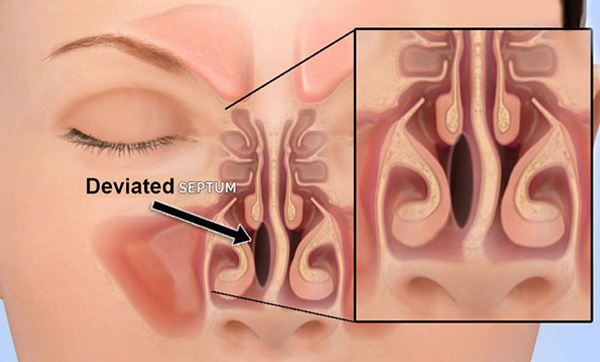
Septoplasty is surgery inside your nose to straighten a deviated septum. Your septum, about 7 centimeters long (2.5 to 3 inches) in adults, consists of cartilage and bone. It separates the inside of your nose into two chambers, or nostrils.

If your septum is deviated (crooked or bent), it can block one or both nostrils and interfere with airflow. A crooked septum can happen because of an injury, or you can be born with it. When this happens, you may need a septoplasty. Healthcare providers may also recommend septoplasty to:

  • Remove nasal polyps
  • Treat chronic sinusitis or obstructive sleep apnea
  • Stop recurrent nosebleeds (less common)
  • Address other conditions that block your nasal airway

Septoplasty is one of the most common procedures performed by otolaryngologists (ear, nose and throat doctors, or ENTs). It’s a minor, outpatient surgery. This means you’ll likely get to go home the day of your procedure.

Treatment Details

How should I prepare for septoplasty?

Before surgery, your healthcare provider will review your medical history. This includes asking about any medications or supplements you’re taking.

They’ll let you know what medicines to stop taking before surgery. Some, like aspirin, ibuprofen and naproxen, may increase your bleeding risk. They’ll also let you know when to stop eating or drinking before surgery.

What happens during septoplasty?

Typically, a healthcare provider called an anesthesiologist will place you under general anesthesia. This means you’ll be asleep during surgery. Local anesthesia, which numbs your nose, may be an option.

Your surgeon will create an incision (cut) on one side of your nose. They’ll lift the thin membrane (mucosa) that covers and protects your septum. Then, they’ll reshape your septum’s bone and cartilage.

Sometimes, surgeons perform another procedure called a turbinate reduction alongside septoplasty. If this is the case, they’ll remove parts of the bone and cartilage that are slowing airflow through your nasal passages.

Afterward, they’ll reposition the mucosa over your septum. They’ll insert splints or soft packing inside your nose. This material holds nasal tissue in place, prevents nosebleeds and reduces the risk of scar tissue. Or your surgeon may sew tissue back together using dissolving stitches. They’ll disappear on their own in time.


loze1.jpg

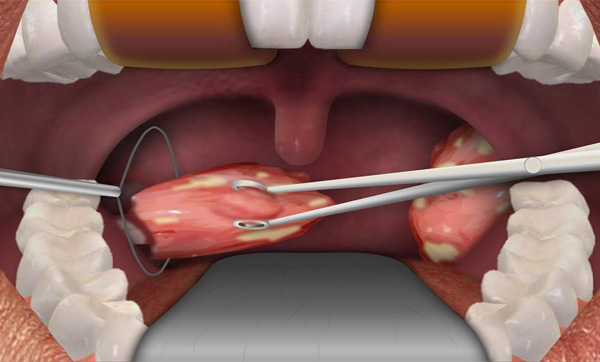
Tonsillectomy is the surgical removal of your tonsils. It’s done to treat sleep-related breathing issues or frequent infections. While surgeons perform tonsillectomies less often than they used to, the procedure is still common today. Tonsillectomy recovery takes up to two weeks.

Tonsillectomy (tahn-suh-LEK-tuh-me) is surgery to remove your tonsils. Tonsils are round, fleshy masses in the back of your throat. Unless you’ve had them removed, you have two — one on each side. They’re a part of your immune system.

Sometimes, they can become inflamed and cause painful sore throats. They can swell and block part of your airway. This may make it harder to breathe during sleep.

While adults sometimes need tonsillectomies, it’s more common in children. Your tonsils get bigger during childhood and can shrink as you get older. That’s why children are more likely to need a tonsillectomy.

How do you know if you need a tonsillectomy?

Healthcare providers recommend this surgery for two main reasons:

  • To treat breathing-related sleep disorders, like sleep apnea
  • To reduce the risk of infection in people with frequent or chronic tonsillitis

Up until the 1980s, providers frequently performed tonsillectomies for tonsillitis. Nowadays, providers do them more often to treat sleep apnea.


Pilonidal-Cyst1.jpg

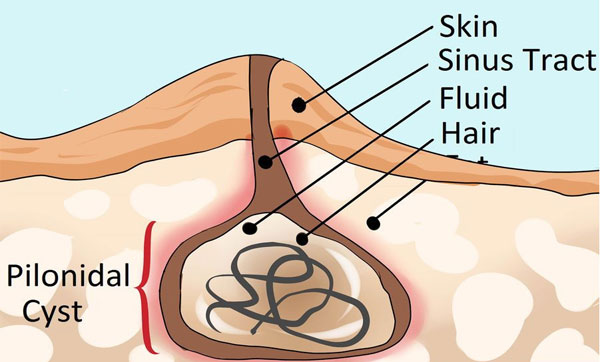
Pilonidal sinus surgery is a medical procedure designed to treat a condition known as pilonidal disease, which occurs when a small cavity or tunnel forms in the skin, typically at the base of the spine. This condition can lead to the formation of painful cysts or abscesses, often filled with hair and skin debris. The primary purpose of pilonidal sinus surgery is to remove the sinus tract and any associated tissue, thereby alleviating symptoms and preventing recurrence.

Pilonidal disease is most commonly seen in young adults, particularly those who are overweight or have a sedentary lifestyle. The surgery aims to eliminate the source of infection and discomfort, allowing patients to return to their normal activities without the burden of chronic pain or recurrent infections. The procedure can vary in complexity depending on the severity of the condition and the presence of any complications, such as recurrent abscesses.


Why is Pilonidal Sinus Surgery Done?

Pilonidal sinus surgery is typically recommended for individuals experiencing significant symptoms related to pilonidal disease. Common symptoms include:

  • Pain or discomfort at the base of the spine, especially when sitting or standing for prolonged periods.
  • Swelling or redness in the affected area.
  • Drainage of pus or blood from the sinus opening.
  • Foul odor emanating from the area due to infection.

In many cases, conservative treatments such as antibiotics, warm compresses, and proper hygiene may provide temporary relief. However, when these methods fail to resolve the issue or when patients experience recurrent infections, surgery becomes a necessary option. The decision to proceed with pilonidal sinus surgery is often based on the frequency and severity of symptoms, as well as the impact on the patient’s quality of life.


Indications for Pilonidal Sinus Surgery

Several clinical situations and diagnostic findings can indicate the need for pilonidal sinus surgery. These include:

  1. Recurrent Infections: Patients who experience multiple episodes of pilonidal abscesses or infections may be candidates for surgery. If the condition recurs despite conservative management, surgical intervention is often warranted.
  2. Chronic Pain: Individuals suffering from persistent pain in the sacrococcygeal region that interferes with daily activities may benefit from surgical treatment. Chronic discomfort can significantly affect a person’s quality of life, making surgery a viable option.
  3. Large or Complex Sinus Tracts: Patients with extensive or complicated sinus tracts that are difficult to manage with non-surgical methods may require surgery. The presence of multiple sinuses or a deep cavity can complicate healing and increase the likelihood of recurrence.
  4. Abscess Formation: If a patient presents with an acute pilonidal abscess that does not respond to drainage or antibiotics, surgical intervention may be necessary to remove the infected tissue and prevent further complications.
  5. Failure of Conservative Treatment: When conservative measures, such as lifestyle modifications, hygiene improvements, and medications, fail to provide relief, surgery is often the next step. This is particularly true for patients who have tried various treatments without success.

In summary, pilonidal sinus surgery is indicated for patients experiencing recurrent infections, chronic pain, large or complex sinus tracts, abscess formation, or failure of conservative treatment. The decision to proceed with surgery is made collaboratively between the patient and their healthcare provider, taking into account the individual’s specific circumstances and overall health.


anal-fisher1.jpg

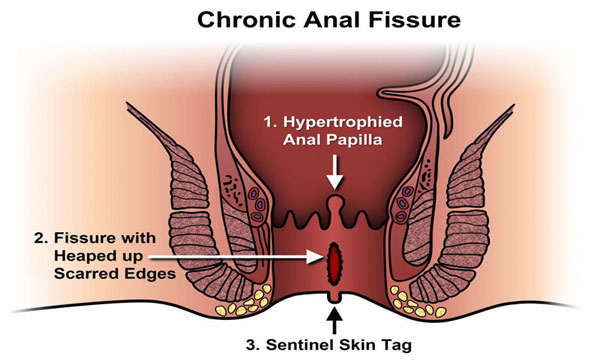
Anal fissure  is a very painful condition that spreads in the lining of the anal canal, by incision or rupture of the surface cells of the anal.

Fissures can cause pain during bowel movement and blood in the stool. The anal fissure is often less than one centimeter, but the nerves in this part are very sensitive parts of the body. As a result, the pain in this area can be very severe. In this article, we cover the symptoms of anal fissure, diagnosis and treatment of anal fissures, and we explain the way that can be prevented from being prevented.

What is Fissure or Anal Fissure?

Anal fissure is a very painful condition resulting from a superficial wound or tear in the anal cell covering area. The anal fissure forms as a longitudinal line in the lower half of the anal canal below the toothline. This area has many sensors, so it creates a painful situation for the patient during bowel movements and stool. The anal fissure is a small incision in the thin and mucosal tissue of the anal area, which may occur due to hard or large stools during bowel movement. Symptoms of anal fissure include pain and bleeding with bowel movement. Symptoms of anal fissure

Anal fissures are very common in infants and adolescents, but it can occur at any age. Most anal gaps are better with simple treatments such as increasing fiber intake and bathing in lukewarm water. Some people with anal fissures may need medication or sometimes surgery to relieve the symptoms of anal fissure.

In most cases, the symptoms of anal fissures improve on their own within four to six weeks. Chronic fissures last for more than eight weeks. If the anal fissure does not improve with medication treatments, it may require surgery. Your doctor may look for other underlying disorders that can cause anal fissure.

Symptoms of anal fissures:

The presence of blood in the stool is a common sign of anal fissure.

Other signs and symptoms of anal fissure include:

Pain, especially when passing stools. During the passage of the stool, the pain is severe and then there may be a deeper burning sensation. Fear of pain may prevent some patients from going to the toilet and increase the risk of constipation. If the duration of stool is increased, it can worsen the pain, as the stool will become harder and larger. Some people may have severe pain when they clean themselves with toilet paper. Symptoms of anal fissure

Itching in the anal area is one of the symptoms of an fissm in the person, the feeling of itching may be intermittent or stable.

Urine burning is an discomfort when urination, including the symptoms of anal fissures, which is very rare. Some patients may often feel a burning sensation when urinating.
When should I see a doctor?

If you have pain while moving in the intestine or notice blood in the stool or toilet paper after a bowel movement, it is a sign of anal fissure, see a doctor as soon as possible. You should see a gastroenterologist. You can get help from the list in the doctor’s appointment system and choose your specialist doctor in the country. From here, access the list of gastroenterologists.
Causes of anal fissure

Anal Fisher or anal fissure can occur for several reasons, including:

Constipation: Large stools and constipation cause more lesions in the anus during bowel movement than softer and smaller stools.

Diarrhea: Frequent diarrhea can cause anal fissure.

Muscle spasms: Experts believe that anal sphincter muscle spasms may increase the risk of anal fissures. Spasm is a short, muscular, and automatic movement. In spasms, the muscle suddenly tightens. Muscle spasms may also weaken the healing process.

Anal sex: In rare cases, it can cause anal fissure.

Pregnancy and childbirth: Pregnant women are at risk of developing anal fissures. The anal mucus can also rupture during childbirth.

Sexually transmitted diseases: They are associated with a high percentage of anal fissures. Examples of these diseases are syphilis, HIV, HPV (human papillomavirus), herpes and chlamydia.

Certain conditions: Certain underlying conditions, such as Crohn’s disease, ulcerative colitis, and other inflammatory bowel diseases, may cause scarring in the anal area.
How is anal fissure diagnosed?

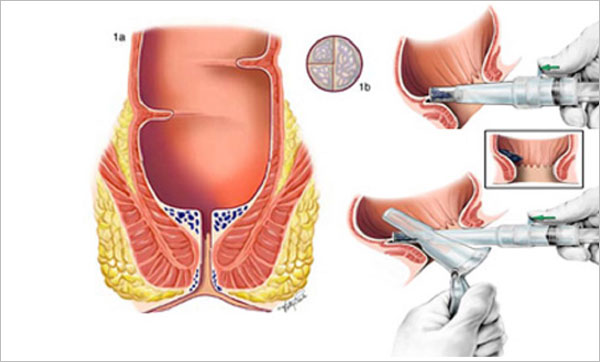
The doctor can usually diagnose anal fissure by examining the surrounding area of the anus. However, it may want to do a rectaury examination to confirm the diagnosis. During this exam, the doctor may insert a tube into the right intestine to see the extent of the fischer’s anal. This medical instrument is a thin tube that allows doctors to check the anal canal. With an ensope, your doctor may also find other causes of anal pain, such as hemorrhoids. In some cases, rectal pain may require an endoscopy to better assess symptoms.

Treatment of Anal Fisher or Fissure

Ointment is a common treatment for anal fissure. In most cases, the anal fissure will spontaneously improve within a few weeks. Your doctor may prescribe some medications to relieve the symptoms of anal fissures, such as pain, burning, or discomfort. If the patient suffers from constipation, the male may be prescribed. A person will also be encouraged to increase the amount of dietary fiber intake, which helps to excrete stool. If the absorption rate of fiber is fast and too high, there is a risk of stomach cramps, wind, bloating, and diarrhea. The increase must be done gradually. Anal sex – In rare cases, it can cause anal fissure.

To reduce the symptoms of anal fissure, including pain, the doctor may recommend local anesthesia. Topical means that it is applied directly to the skin. For a long-term burning sensation after going to the toilet, painkillers may be responsive. A lukewarm (not too hot) bath helps relax the muscles and reduce pain. In some cases, the doctor uses calcium channel blocking medications (designed to lower high blood pressure) to reduce the symptoms of anal fissure. These drugs calm the sphincter muscle and also increase the amount of blood in the affected area, which promotes healing. The use of anti-inflammatory creams is another method of treating anal fissures that is used to reduce the symptoms of anal fissures, including itching and pain.

If the anal fissure is chronic (long-term) and is not treated, surgery may be an option. Part of the anal sphincter muscle is surgically removed, leading to less spasms. This method is known as internal sphinctotomy. Fisherectomy is the surgeon’s surgical removal. This method is rare and may be used in children.

Symptoms of fissures:

Side Effects

The complications of anal fissure can include:

No recovery: Anal fissure that does not improve within eight weeks is chronic and may require further treatment.
Relapse: When you have experienced anal fissure, you are prone to another disease.
More anal rupture: Anal fissure may spread to the surrounding muscles (muscular circle), which is called anal interspion sphincter. An unpleasant gap can create a cycle of discomfort that may be necessary to reduce pain or remove the fissure of medication or surgery.

Prevent anal fissures

You may be prevented by taking preventive measures to prevent constipation or diarrhea from anal fissure. Eating foods with high fiber, fluids, drinks, and regular exercise to avoid pressure during bowel movement can be effective.


hemorrhoidsurgery.jpg

Hemorrhoids or hemorrhoids are one of the common diseases of the anal area, which is why researchers and surgeons are always looking for an effective surgical procedure and treatment with a short recovery period for this disease. Hemorrhoidectomy or removal of hemorrhoids by open surgery is one of the methods of hemorrhoid surgery. This procedure brings a long and painful course of hemorhoid treatment. To control pain after hemorrhoidectomy, various techniques have been proposed to minimize this pain and recovery after surgery.

۴ Reasons for hemorrhoid surgery or hemorrhoid surgery:

۱- If hemorrhoids remain stable and do not respond to the initial treatments.
۲- Have bleeding.
۳- Affect the bowel movements.
۴- Intruders for the life and peace of the person.

Laser hemorrhoid surgery

The surgery lasts about 15 to 30 minutes, and the patient does not get anesthesia and is done with numbness and painless. After thirty minutes, the patient’s general condition is checked by the doctor and the patient is discharged. The advantage of a hemorrhoid laser over open and traditional surgery is that it has a very short recovery period. Note that methods that have a long recovery period also have a high risk of relapse and relapse. The incisions made with lasers are very delicate because the laser is the carbon dioxide supertin, so it does not damage the surrounding healthy tissue. In laser hemorrhoid surgery, the patient does not experience severe bleeding of open surgery.

Laser hemorrhoid surgery

The laser repairs the arteries, nerves and lymphs during surgery, which is why the patient does not experience the bleeding and pain of traditional surgery. The laser sterilizes the environment of the operation and reduces the infection of the operation. It is worth mentioning that this is why the transmission of viral diseases, including hepatitis and AIDS, reaches zero. Laser hemorrhoid surgery does not cause necrosis, so the pain after the operation decreases and the anal sphincter is not damaged. This advantage of the laser reduces the condition of anal incontinence.
Reconcession after laser hemorrhoid surgery

The first night the patient rests and can get his daily tasks from the next day, it is better to avoid heavy work and heavy exercise for up to three weeks. Painkillers are injected to control pain after surgery and the patient is recommended to perform Kegel exercises. In the menu of this site, read Kegel exercises. Depending on the depth of surgery and the physical and mental readiness of the patient, the recovery period after hemorrhoid surgery varies in different people. But the issue that is clear and numerous experience and research has shown that the patient returns to his workplace between ۲ and 5 days later after laser surgery, and from the day of laser surgery, he will reach his daily tasks, but in traditional and ordinary surgery, sometimes up to two months, the patient is necessary and the return to the workplace is delayed.

Before and after hemorrhoid surgery

Before and after hemorrhoid surgery
Evaluation of hemorrhoid laser method in grades 2 and 3

According to an article in 2016 by the Physicians of the Surgery Department of the Italian School of Surgery. After examining the condition of ۵۴ patients who had grade 2 and 3 hemorrhoids and were treated with laser surgery and treated. They concluded that patients experienced the least amount of bleeding in this procedure, as well as a very small feeling of pain, which based on the average questionnaire showed the number ۰.57 to ۲.
thrombose hemorrhoid surgery

thrombose hemorrhoids, especially external hemorrhid rombosis, are quickly formed and have severe pain. This type of hemorrhoids develops within 24 to 72 hours. The thrombose hemorrhoids should be controlled as quickly as it is created and emergency treatment and surgery. In most general surgical books, it is emphasized that you undergo thrombose hemorhoids in the early stages of thrombose. This action does not cause excess meat to not develop in the anus and prevents the following complications of hemorrhoids. In one method, thrombose hemorrhide can be treated with a low-impocant laser treatment, and in the second method, the powerful laser undergones hemorrhoidectomy surgery and remove the tissue. Both methods are very effective and will be used depending on the diagnosis of a surgical and laser specialist.

Hemorrhoid surgery in the elderly and children

In general, hemorrhoid surgery is performed for weak people with high caution. My advice for treating hemorrhoids of these people is that for older people, if the necessary need for hemorrhoids is necessary, this surgery should be done with laser. Because other methods, such as coucher surgery and a scalpel, have a long recovery period, and the elderly patient may not be able to tolerate long recovery. In children, the risk of hemoid drug treatment is very high and usually is not necessary to have surgery.
How much pain do we have after hemorrhoid surgery?

When used laser hemorrhoid therapy, we will have much less pain than laser-free surgery, and sometimes there is no door at all.

The greater the size of the operation, the larger the number of hemorrhoids, along with fissures and fistulas, the more pain.

How do I do bowel movements after hemorrhoid surgery?

Most patients do not have a bowel movement for up to 3 days after the operation, and the first temperament may be in pain, it is better to get and take painkillers from your doctor.
Is hemorrhoids reversible after punishment?

Hemorrhoids can be definitively cured with treatment.

Also, adding fiber to your diet and daily exercise can be effective in treating and not getting the disease.

What should I expect after hemorrhoid surgery?

You should eat a lot of fluids after hemorrhoid surgery, a high-fiber-sapedous diet in your diet.

When can I go to work after hemorrhoid surgery?

If your operation is brief and you only have a fissure, you can go to the work even the day after the operation, but if the operation is wider, you may need at least 2 to 3 days of rest.


Contact Information

Mission and Mission of Farabi

As the largest center for providing ophthalmology services in the center of Guilan province, Farabi Rasht Limited Surgery Center has always put the task of providing effective and efficient medical services for patients and respectable clients, in order to provide and promote the health of the people and according to the laws and regulations of health and medical education

Farabi Clinic on Google Map

کلیه حقوق این وب سایت برای مرکز جراحی فارابی رشت محفوظ می باشد